
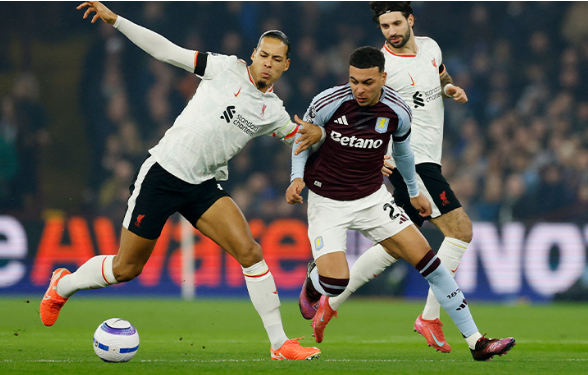
Football matches are often remembered for spectacular goals, impressive assists and attacking performances. However, some of the most important moments happen when a team does not have possession of the ball. A well-timed tackle or an intelligent interception can stop a dangerous attack, change the direction of a match and give a team the opportunity to take control.
Looking at successful tackles and interceptions in football provides useful information about how a team defends. These statistics go beyond showing how frequently players win the ball. They can reveal defensive discipline, tactical awareness, pressing intensity and the ability to respond to different attacking threats.
For anyone interested in football match analysis, understanding these defensive actions can provide a clearer picture of why certain teams are difficult to break down, even when they are facing stronger opponents.
Understanding What Successful Tackles Reveal
A successful tackle occurs when a defender or midfielder legally wins possession from an opponent through a well-timed challenge. Although it may appear to be a simple defensive action, executing it consistently requires good judgement, positioning and awareness.
Teams recording a high number of successful tackles may demonstrate an ability to compete physically and prevent opponents from moving comfortably through dangerous areas.
However, the number alone does not tell the complete story. A team making numerous tackles could be spending too much time defending because it struggles to maintain possession. Another side might record fewer tackles because its players are positioned well enough to prevent opponents from reaching threatening areas.
This distinction is important when evaluating football defensive statistics. The quality, timing and location of tackles can sometimes reveal more than the total number recorded.
Interceptions Show Defensive Awareness and Anticipation
Unlike tackles, interceptions usually involve reading an opponent's intention and getting to the ball before it reaches its intended destination.
A defender who anticipates a forward pass can move into the passing lane and collect possession without needing to engage in a physical challenge. This requires concentration, awareness of surrounding players and an understanding of the opponent's attacking patterns.
Consistent interceptions can indicate that a team has developed a strong defensive structure. Players understand their responsibilities, communicate effectively and recognise when opponents are attempting to exploit particular spaces.
For example, a defensive midfielder who regularly intercepts passes between the opposition's midfield and attack can prevent dangerous opportunities from developing. This type of contribution may not attract as much attention as scoring a goal, but it can be equally valuable.
What These Statistics Say About Team Organisation
One of the biggest lessons from successful tackles and interceptions is how well a team operates as a defensive unit. Football defending is rarely the responsibility of centre-backs alone. Wingers, full-backs, central midfielders and even forwards must contribute when the opposition has possession.
When players understand their positions and responsibilities, they can close passing options, cover exposed spaces and support teammates during difficult situations. A team with coordinated defensive movements may force opponents into predictable passes, making interceptions easier. Similarly, good communication can prevent defenders from rushing into unnecessary challenges.
These actions provide clues about defensive organisation and whether a team's tactical approach is working effectively.
Tackles and Interceptions Can Reveal Pressing Intensity
Modern football involves different pressing approaches. Some teams aggressively chase possession in the opponent's half, while others prefer to remain compact and wait for opportunities to recover the ball. Successful tackles and interceptions can help explain how these approaches operate.
A team that records defensive recoveries high up the pitch may be using an aggressive pressing strategy. Its forwards and midfielders attempt to pressure opponents into making hurried decisions, creating opportunities to win possession close to goal.
Meanwhile, teams that defend deeper may record more interceptions in their own half because they concentrate on protecting central spaces and blocking forward passes.
Neither approach is automatically superior. The effectiveness depends on the players available, the opponent's strengths and the match situation. Therefore, analysing where defensive actions occur can help explain a team's tactical identity.
How Defensive Actions Disrupt Opponents' Attacking Plans
Successful tackles and interceptions can significantly affect an opponent's confidence and attacking rhythm.
When a team repeatedly stops forward passes or wins possession through well-timed challenges, attacking players may become reluctant to attempt certain movements. They might take fewer risks, delay their decisions or move the ball sideways instead of progressing towards goal.
This can reduce the opponent's attacking threat. For instance, a team that consistently intercepts passes into the opposition striker can force the opponent to change its approach. Instead of building attacks through the middle, the opposing side may become more dependent on crosses and wider movements.
Such adjustments can make attacking play less predictable for the defending team and easier to manage.
The Importance of Midfield Protection
Midfielders play a crucial role in connecting defensive and attacking responsibilities. Their ability to win tackles and intercept passes can determine how much protection the backline receives.
A defensive midfielder who reads the game effectively can prevent opponents from receiving the ball between the defensive and midfield lines. This reduces pressure on centre-backs and makes it harder for attacking players to turn towards goal.
Without proper midfield protection, defenders may frequently face direct challenges from opponents running at them.
This is why midfield defensive statistics deserve attention when analysing team performance. A strong midfield can make an average defensive line look more organised by reducing the number of dangerous situations it faces.
How Winning Possession Creates Attacking Opportunities
Defensive actions do not always end with simply clearing the ball away. In modern football, winning possession can be the beginning of an attacking opportunity.
A midfielder who intercepts a pass may immediately find a teammate making a forward run. Similarly, a defender who wins a tackle can release the ball quickly before the opposition has time to reorganise.
These transitions can catch opponents out of position, particularly when they have committed several players forward. Teams that combine strong defending with quick transitions can become difficult to play against because they threaten opponents both when defending and when attacking.
Consequently, successful tackles and interceptions can reveal how effectively a team converts defensive work into attacking possibilities.
Why Both Statistics Should Be Analysed Together
Although tackles and interceptions provide valuable information individually, considering them together gives a more balanced understanding of defensive performance. A team may record many successful tackles but relatively few interceptions. This could suggest that its players frequently engage opponents directly rather than anticipating passes.
Another team might record numerous interceptions because its defensive structure encourages players to read passing patterns and close available spaces. However, these figures should not be judged without considering possession, opponent quality, playing style and match circumstances.
A team defending a narrow lead may naturally make more tackles and interceptions than one controlling possession comfortably. Similarly, a side facing an aggressive attacking opponent could record higher defensive numbers simply because it is under greater pressure.
Looking at the wider picture prevents misleading conclusions.
Conclusion
Successful tackles and interceptions reveal much more than a team's ability to win the ball. They provide useful clues about defensive discipline, tactical awareness, pressing intensity, midfield protection and overall organisation.
When these statistics are examined alongside other performance indicators, they can help explain why some teams consistently frustrate opponents while others struggle to protect their goal.
For football enthusiasts interested in understanding matches beyond goals and possession figures, paying attention to defensive actions offers another valuable way to recognise what makes a team effective.
Sometimes, the difference between winning and losing is not the spectacular attacking moment everyone remembers. It is the perfectly timed tackle or interception that prevents the opposition from creating one.